The Current Account: Auditing Refreshment Energy in South West Buildings
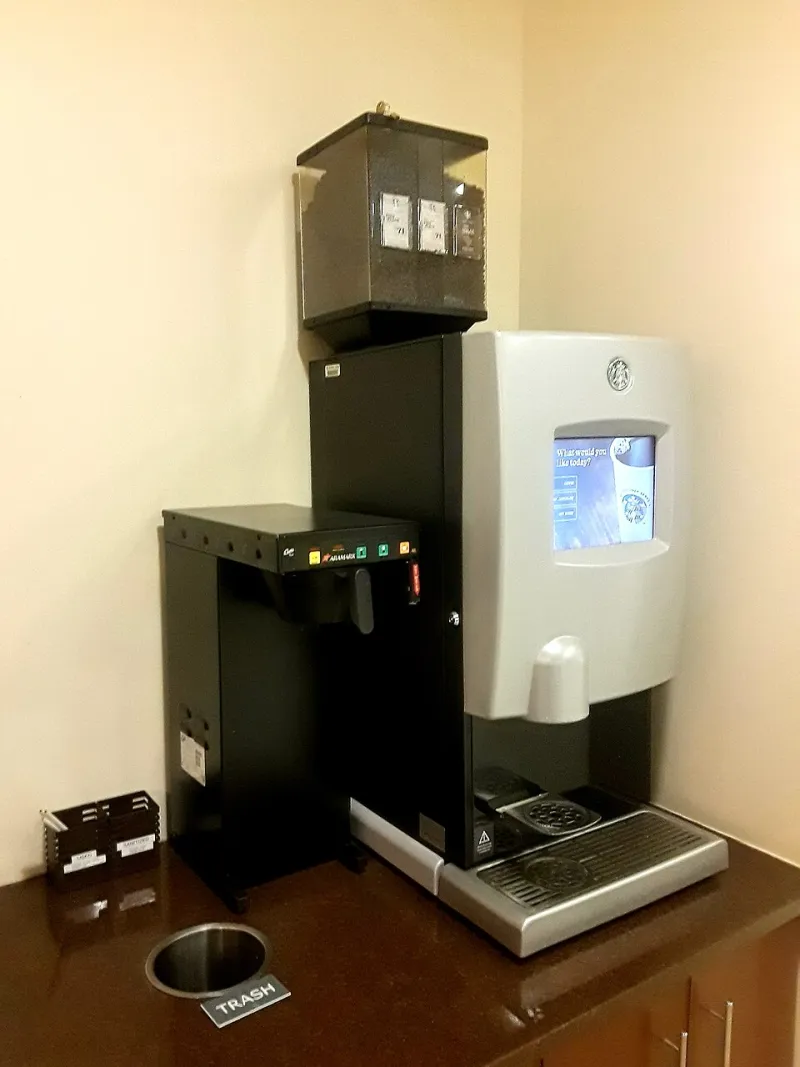
Photo: Ser Amantio di Nicolao, CC BY-SA 4.0, via Wikimedia Commons
Refreshment equipment rarely dominates an energy bill on its own. A kettle boils for minutes; a coffee machine cycles through the working day; a chiller hums in the corner. Taken together across a floor, a venue or a dispersed estate, however, these appliances form a load worth understanding. In South West workplaces, where older buildings, converted spaces and mixed-use venues are common, that load can also expose constraints in electrical capacity, ventilation and scheduling.
As 2026 draws to a close, an energy audit of refreshment equipment is a sensible piece of workplace planning. It is not an exercise in chasing every watt. It is a way of establishing where electricity is actually used, which assets are costing more than expected and whether maintenance, replacement or a change in operating routine would pay back.
Begin with an asset register, not an assumption
The first step is a straightforward inventory. Record every appliance connected with refreshment provision: kettles, water boilers, bean-to-cup machines, filter brewers, chillers, vending units, microwaves and any supporting equipment. For each item, note its location, approximate age, rated power, control type, hours available for use and typical daily use. Serial numbers and service history are useful where available.
This register should also record how equipment is connected. In older South West premises, a refreshment point may share a circuit with other loads, run from extension leads or sit in a converted room that was never designed for catering-style demand. The audit is an opportunity to identify those arrangements before they become a reliability problem.
Measure in two ways
A nameplate rating states the maximum draw of an appliance, not its normal consumption. Both figures have value. The rating helps establish peak demand and circuit capacity; actual measurement shows how the equipment behaves in daily operation.
Plug-in energy monitors are suitable for many smaller appliances and can capture a representative week, including weekends. For chillers and vending units, note the duty cycle: the proportion of time the compressor or heating element is active. A simple estimate can then be calculated by multiplying rated power by operating hours and applying the observed duty factor. Where sub-metering is available, compare those estimates with recorded consumption.
Accuracy matters less than consistency. A repeatable method, applied to the same assets each year, will reveal trends that a one-off reading cannot.
Standby is part of the bill
Equipment that appears idle may still draw power. Vending displays, coffee machine heaters and chillers with poor insulation or worn seals can consume steadily outside core hours. Overnight and weekend measurement is therefore essential.
Where controls allow, timers and automatic power-down can reduce unnecessary draw. This must be done with care. Chillers and food-related equipment may need to remain within safe temperature ranges, and manufacturer instructions should always take precedence. The objective is not to switch everything off, but to confirm that equipment is running only when there is a genuine operational reason.
Schedule heavy loads sensibly
Peak load is less about total consumption than about simultaneous demand. If water boilers, coffee machines, dishwashers and chillers all start together, the building may face an unnecessary spike. Staggering start times and coordinating refreshment preparation with known busy periods can smooth demand without reducing service.
Mixed-use venues should pay particular attention to this point. A meeting room, a hospitality space and an office pantry may share a supply, and event days can alter the pattern abruptly. A short schedule, agreed with facilities and catering teams, is often more effective than a costly capacity upgrade.
Older premises and mixed-use spaces need context
The South West has many converted stone buildings, rural estates and premises where refreshment areas have been fitted into rooms with limited ventilation or insulation. Ambient temperature affects chiller performance; poor ventilation can make coffee machines work harder. The audit should note these conditions, not just the appliance list.
Mixed-use sites also change occupancy throughout the day. An audit based only on standard office hours may miss evening events, weekend hires or seasonal hospitality. Recording who uses the equipment, and when, gives a fuller picture.
Apply a payback test to repair and replacement
When an asset performs poorly, compare the cost of repair with the likely saving from a more efficient replacement. A simple payback calculation divides the net cost of replacement by the estimated annual energy saving. That figure should then be considered alongside downtime, service contract costs, parts availability and the risk of failure.
Older machines can be expensive to keep in service, but age alone is not a reason to replace. The audit should identify which assets are both inefficient and costly to maintain. Those are the strongest candidates for change.
Make the audit a routine
An energy audit should not become a one-off project. Update the asset register annually, retain monitor readings, review tariffs and assign an owner for follow-up actions. The findings can then inform procurement decisions, maintenance schedules and wider workplace strategy.
For South West organisations, the value lies in control: knowing what the refreshment estate costs, where the hidden load sits and which interventions are worth making. A modest, repeatable routine is usually more useful than an elaborate survey that is never revisited.