The Moving Compound: Refreshment Resilience for South West Site Teams
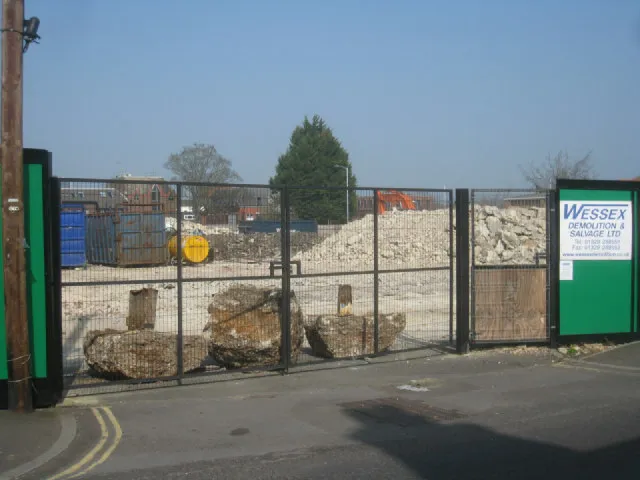
Photo: Sandy B , CC BY-SA 2.0, via Wikimedia Commons
For construction firms, trades contractors and mobile maintenance teams across the South West, the refreshment point is rarely a permanent room. It is a cabin at the edge of a compound, a shelf in a van, or a hut beside a rural site. These arrangements are practical and hard-working, but they are also exposed. A cold snap, a generator fault or a change of site address can interrupt something as simple as a hot drink.
That matters more than it may first appear. On a winter morning in Devon, Cornwall, Somerset or Wiltshire, a reliable refreshment point supports welfare, morale and safe working. It also reduces the temptation for teams to leave site in search of facilities, which can disrupt programmes and create additional road risk. The aim is not to recreate an office pantry in a cabin. It is to establish a modest, dependable arrangement that can be maintained through bad weather and relocated when the compound moves.
Start with the welfare brief, not the equipment list
Refreshment provision on a temporary site should begin with a short brief: how many people are on site, at what times, for how long, and what they actually need. A cabin serving four people during a short fit-out has different requirements from a groundworks site with thirty operatives and staggered breaks. Consider whether the site needs hot drinks only, or whether cold water, food storage and handwashing facilities also form part of the arrangement.
This brief should sit alongside the site's wider welfare arrangements. Refreshment equipment is not a substitute for proper welfare facilities, but it should complement them. Where the main welfare unit is some distance from the works, a secondary refreshment point may be justified. Where the site is small, a compact flask-and-kettle arrangement may be more sensible than a large machine that demands power and maintenance.
Plan power around the worst morning, not the best
Power is usually the first constraint. Kettles, water boilers and coffee machines draw significant load, and many site cabins are served by generators, temporary supplies or a limited connection. The refreshment plan should match the available supply rather than assume that a domestic-style appliance will cope. A qualified electrician should confirm that circuits and connections are suitable, and extension leads should not become a permanent workaround.
For van-based teams, lower-demand options can bridge the gap: flasks filled before departure, insulated jugs, and appliances designed for vehicle use where they are safe and suitable. These are not perfect substitutes for a staffed refreshment service, but they can keep a mobile team going when the day involves multiple small sites across a wide rural area.
On larger compounds, it is worth separating refreshment equipment from high-demand tools and heating where possible. A labelled, dedicated circuit reduces the chance that a kettle trip also takes out the cabin lighting. If the site is on a generator, agree who checks fuel levels and who reports faults. A refreshment point that fails silently on a frosty Monday is more disruptive than one that is clearly maintained.
Treat water as a supplied utility, not an afterthought
Many site huts have no mains water, and those that do can be vulnerable in freezing conditions. Drinking water should be stored and dispensed separately from water used for washing, and containers should be clean, lidded and clearly labelled. In cold weather, pipework and containers need lagging or indoor storage; a frozen supply can halt hot drinks and hand hygiene at the same time.
Where water is supplied by bowser or bottled, agree a delivery frequency that reflects actual use rather than a nominal headcount. Rural sites in parts of Dorset, Gloucestershire and the South West moorland edges may be harder to reach in poor weather, so a modest buffer is sensible. If a cabin has a stored hot-water system, it should be managed under the site's water safety arrangements; stagnant or lukewarm water is not a matter to leave to chance.
Hand hygiene deserves equal attention. A refreshment point without handwashing provision encourages poor practice, particularly where food is handled or shared. Soap, paper towels and a waste bin should be part of the same routine as cups and milk.
Keep hygiene and waste visible
Temporary refreshment areas can become cluttered quickly. Cups, lids, milk cartons and food wrappers accumulate in small spaces, and rural sites are exposed to wind. Provide lidded bins, agree who empties them, and arrange collections that match site hours. Food waste should not be left in an unheated cabin for days, particularly where pests may be attracted.
A simple daily routine works better than an occasional deep clean: wipe surfaces, check milk dates, remove open food, and restock cups and stirrers. If the site has a cleaning contractor, make sure the refreshment point is included in the specification. If it does not, assign the task to a named person and include it in the site induction.
Build in cold-weather contingencies
Winter 2026–27 will bring the usual mixture of frost, wind and rain, with the added possibility of road closures on routes such as the A30, A38 and M5. A refreshment arrangement should assume that a delivery may be delayed and that a team may be on site earlier or later than planned. Keep a small buffer of long-life milk, sealed snacks, tea, coffee and cold water. A flask can extend a hot-drink service when power is interrupted.
Do not store food in unheated cabins where it may freeze or be at risk from pests. Check forecasts before ordering, and bring deliveries forward when named storms are expected. For remote sites, agree a minimum stock holding and a clear escalation contact. The purpose is not to hoard supplies but to avoid a preventable stoppage.
Design a supply arrangement that moves with the site
Refreshment suppliers serving South West sites should understand compound access, delivery windows, health and safety inductions, and the practical limits of storage. A good arrangement names a contact, sets out lead times, explains substitution rules and confirms what happens to equipment when the site closes or relocates. For contractors running several sites, regional consolidation can reduce admin, but deliveries should still match each compound's storage capacity.
When a site moves, the refreshment plan should move with it. Record what equipment is on hire, what belongs to the contractor and what must be collected. Photograph the cabin layout before dismantling, and brief the incoming site manager. These small records prevent duplicate orders and missing equipment.
A temporary refreshment point does not need to be elaborate. It needs to be considered, maintained and capable of surviving a cold snap. For South West site teams, that is a practical contribution to welfare and continuity, whether the compound sits on the edge of a town or at the end of a muddy lane.