When the Label Lags Behind: Allergen Control for Shared Refreshment Points
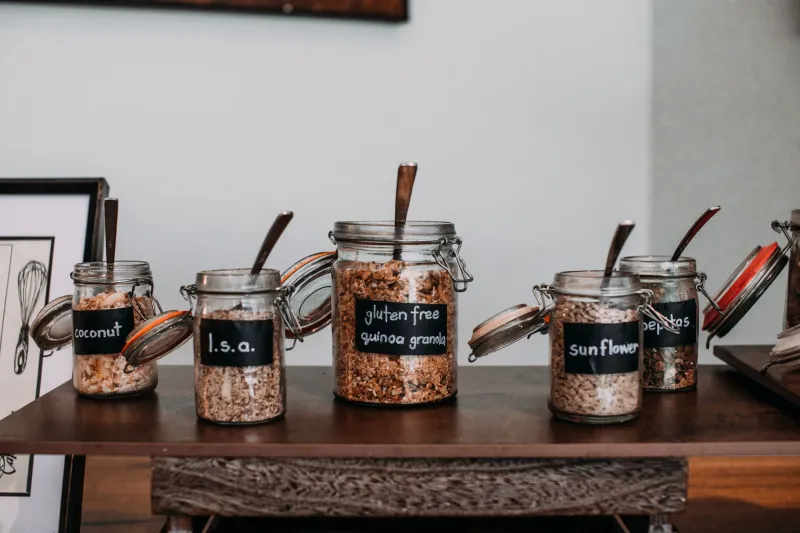
Self-serve refreshment is rarely static. A pantry in Bristol may be restocked by one team, a guest station in Bath prepared by another, and a shared kitchen in Exeter used by several tenants. Products change, suppliers substitute, and temporary staff cover shifts. In that ordinary movement, allergen information can fall behind the reality of what is on the shelf. The risk is not usually a dramatic failure. It is a label that was correct last week, a jar that has been decanted, or a well-meant substitution made without checking the packaging.
For South West offices and venues, the answer is not a heavier rulebook. It is a repeatable routine that keeps allergen information accurate at the point of use and leaves a record when people change. The aim is a self-serve offer that remains safe, clear and defensible without turning every restock into an administrative event.
Begin with a current picture of the offer
Allergen control starts with knowing what is actually provided and where. Facilities teams should maintain a simple schedule of self-serve points: main staff pantries, meeting-room refreshment stations, guest areas, shared kitchens and any temporary setups for events. Each point should have a named owner and a current list of products, including drinks, snacks, dairy, cereals, condiments and any food brought in for hospitality.
Where products are pre-packed, the manufacturer label remains the primary source. Where items are decanted, sliced, portioned or prepared on site, the information needs to follow the food to the point of service. A central allergen matrix is useful, but it should reflect the actual brands and products in use, not a generic list compiled months earlier. In a region with many small and local suppliers, product specifications can vary between deliveries, so the matrix needs a review date and a named person responsible for updating it.
Make labelling work at the point of use
A folder in an office manager's drawer does not help someone standing at a guest refreshment station. Allergen information should be visible where the product is selected. For packaged items, keep the original wrapper or label intact and avoid covering it with secondary stickers. For loose or decanted items, use a clear label that states the product and the relevant allergen information, including any may-contain statement from the supplier.
Guest stations deserve particular attention because visitors may not know the usual routine. Individual wrapped portions reduce cross-contact and labelling ambiguity. Where a shared platter or bowl is used, a nearby card should identify the contents and direct anyone with a concern to a named contact. Digital QR codes can supplement information, but they should not replace a clear physical label at the shelf edge. In rural venues and smaller premises across Devon, Cornwall, Somerset and Dorset, connectivity cannot be assumed, so the physical label remains the dependable layer.
Treat substitutions as a controlled change
Substitution is the weak link in many refreshment operations. When a usual supplier is out of stock, a like-for-like swap may not be allergen-like-for-like. A different brand of biscuit, oat drink or sandwich filler can carry different ingredients and different may-contain advice. The practical rule is straightforward: no substitution without checking the replacement label and updating the local record before the product is made available.
Organisations can support that rule by agreeing a small list of approved alternatives in advance. If an approved alternative is unavailable, staff should withdraw the item rather than improvise. Delivery checks should include a quick label comparison against the expected product, especially for regular orders from local bakeries, farm shops and wholesalers. When a supplier changes a recipe or packaging, the change should be captured at the next review, not discovered by a customer.
Brief the people who did not design the system
Temporary staff, agency workers, event crews and cover managers need a short, practical briefing. They do not need the full history of the allergen matrix. They need to know where it is kept, how to read a product label, what to do when packaging is missing, and who to contact if they are unsure. A one-page briefing sheet is usually enough, provided it is given at the start of a shift and signed off.
The briefing should also cover cross-contact in shared kitchens. A knife used for a sandwich, a board used for gluten-containing bread or a jug used for dairy milk can affect subsequent users if cleaning is rushed. For self-serve settings, the simplest controls are often the most reliable: separate utensils, clear signage, sealed containers and a routine clean between service periods. Staff should be encouraged to withdraw an item and ask for guidance rather than guess.
Keep a handover record that demonstrates diligence
A handover record does not need to be elaborate. A shared spreadsheet or a binder at the main pantry can capture the date, the refreshment point, the product or supplier change, the label check completed, any action taken and the initials of the person responsible. The record should also note when a product was removed because information was missing or unclear.
This log serves two purposes. It gives the next person a clear starting point, and it shows that the organisation has a working routine rather than an untested policy. Reviews can be weekly for busy sites and monthly for smaller premises, with a fuller check before seasonal peaks or guest events. The record should be retained in line with the organisation's usual document policy and made available to those who need it, without becoming a public catalogue of every delivery.
Join allergen control to procurement and service planning
Allergen information is strongest when it is built into purchasing rather than added afterwards. Procurement conversations can ask suppliers to confirm allergen details, notify recipe changes and provide labels that survive storage. Seasonal planning can flag guest stations, festive offers and event catering as higher-risk moments that need an earlier label check. Workplace strategy can confirm who owns the self-serve points and how temporary staff are briefed.
For Refresh South West readers, the principle is consistent across the region: reliable refreshment depends on ordinary routines done well. Accurate labels, controlled substitutions, short briefings and a simple handover record will not remove every risk, but they keep allergen information close to the food and the people serving it. That is a practical standard South West workplaces can maintain, even when the product, the supplier or the person on shift changes.