The Orientation Cup: Refreshment Induction for New Starters in South West Workplaces
Photo: U.S. Army photo by Capt. Bailey Miclette, Public domain, via Wikimedia Commons
The first day in a new workplace is rarely remembered for its policy documents. It is remembered for whether the kettle was easy to find, whether the coffee machine accepted a card, and whether anyone explained which cupboard held the mugs. These are modest details, but they shape a new starter's early impression of how well a workplace is run. For office managers and venue teams across the South West, refreshment induction deserves a place alongside building access, health and safety and IT set-up.
A refreshment induction need not be lengthy. It should be clear, repeatable and suited to the type of premises. A Bristol office with a staff pantry, a Exeter venue with shared hospitality spaces and a Plymouth site with temporary project teams will each need a slightly different approach. The common principle is that new starters should not have to discover the basics by trial and error.
Start Before the Start Date
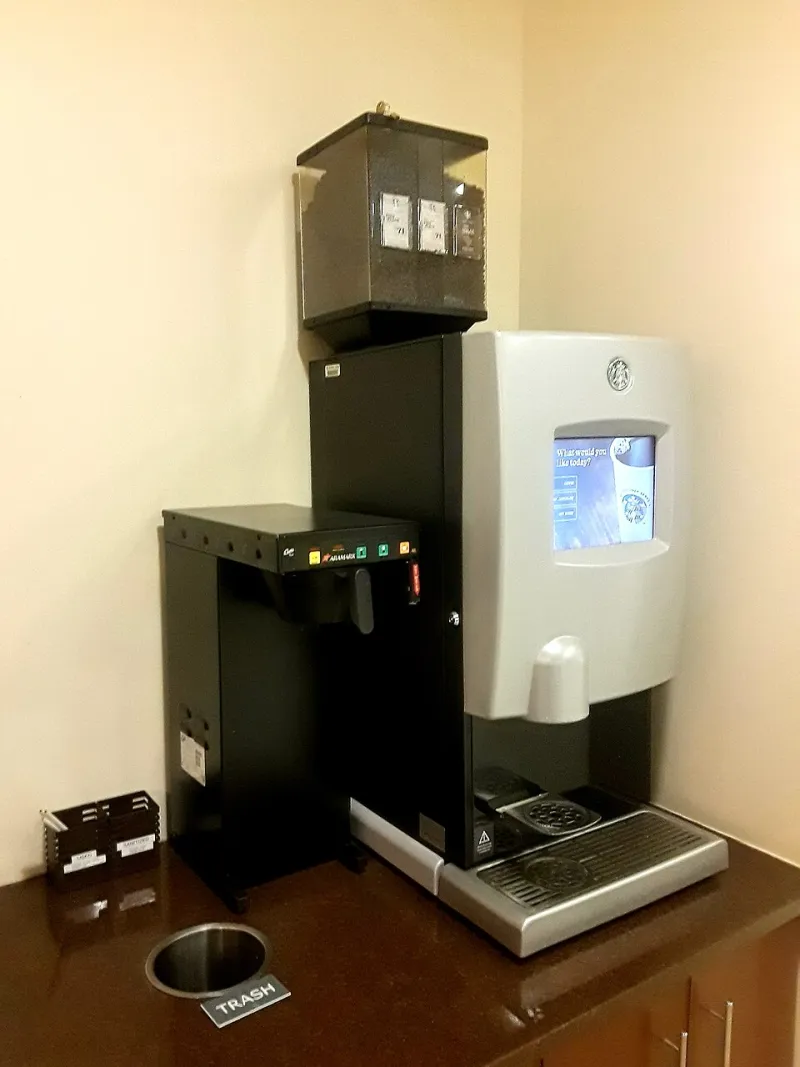
The induction process can begin with the joining information. A short paragraph in the welcome pack can explain where refreshment points are located, whether drinks are provided or purchased, and whether a staff card, account or payment method is needed. This is particularly useful where a workplace has more than one refreshment area, such as a main pantry, a meeting-room refreshment point and a client-facing counter.
Including a named contact is equally important. A new starter should know who to ask about access, allergens or a machine that is not working. That contact might be the office manager, facilities coordinator or reception lead, but the name should be specific rather than a general facilities inbox that may not be monitored promptly.
A Short Walkthrough, Not a Policy Lecture
On the first day, a five-minute walkthrough is usually more effective than a long written briefing. The person conducting the induction can show the main refreshment point, point out the equipment, explain any booking arrangements for meeting rooms, and indicate where supplies are kept. If there are separate arrangements for visitors or contractors, those should be mentioned briefly.
The walkthrough should also cover the small conventions that are easy to overlook. Is there a rota for cleaning? Are mugs personal or shared? Is there a dishwasher, and who empties it? Where are recycling and waste bins kept? These details help a new starter use the space without feeling that they are interrupting an established routine.
Payment, Access and the Awkward First Attempt
Payment systems are a common source of early friction. A new starter may arrive with a contactless card, a mobile payment app or neither. If the workplace uses a cashless vending machine, an account-based system, tokens or an honesty box, the induction should explain the method clearly. Where a staff card must be activated, it is better to confirm that it works before the new starter needs it.
Access can be just as important as payment. Some refreshment areas are open, while others sit behind a fob-controlled door or are shared with another organisation. In venues, staff may need to know which refreshment points are for guests and which are for internal use. A short explanation prevents embarrassment and reduces the risk of well-meaning mistakes.
Allergens, Accessibility and Choice
New starters should be told where allergen information is displayed and who can answer questions about ingredients. This is not only a legal or procedural matter; it is a matter of confidence. Someone with a food allergy or intolerance should not have to rely on guesswork at the counter.
Accessibility should be considered in the same conversation. Are cups and supplies within reach? Is there a lower counter or seated preparation area? Are instructions available in large print or an accessible format? For South West workplaces serving teams with varied needs, a brief mention during induction can help new starters raise requirements early and discreetly.
When Something Fails
A new starter should know the escalation route before they encounter a problem. If a machine stops working, supplies run out or a payment reader fails, the response should not depend on finding the most experienced colleague. The induction can identify the reporting method, whether that is a facilities ticket, a phone number, a named person or a notice board contact.
This is also an opportunity to set expectations. A straightforward statement such as 'report faults to reception and use the backup kettle in the second-floor pantry' is more useful than an assumption that everyone knows where the fallback provision is kept.
Temporary and Agency Team Members
Short-term staff, contractors and agency workers often receive less induction than permanent employees, yet they may use refreshment areas just as frequently. A one-page summary can cover the essentials: location, access, payment, allergens and fault reporting. For venues with changing teams, keeping copies at reception or in the staff area can save repeated explanations.
A Simple Onboarding Checklist
A practical refreshment induction can be reduced to a short checklist: location of refreshment points; access arrangements; payment method; allergen information; accessibility features; waste and recycling arrangements; fault reporting contact; and any rules for guests or shared spaces. The checklist should be reviewed when equipment or payment systems change, so that new starters are not given outdated information.
The Value of a Small Routine
The first cup is not a substitute for a proper induction, but it is part of one. When refreshment provision is explained clearly, new starters spend less time searching and more time settling in. For South West offices and venues, that small piece of organisation is a useful signal that the workplace has thought about the practicalities of daily life.