Peaks, Troughs and Pantry Economics: Matching Refreshment Supply to Hybrid Patterns

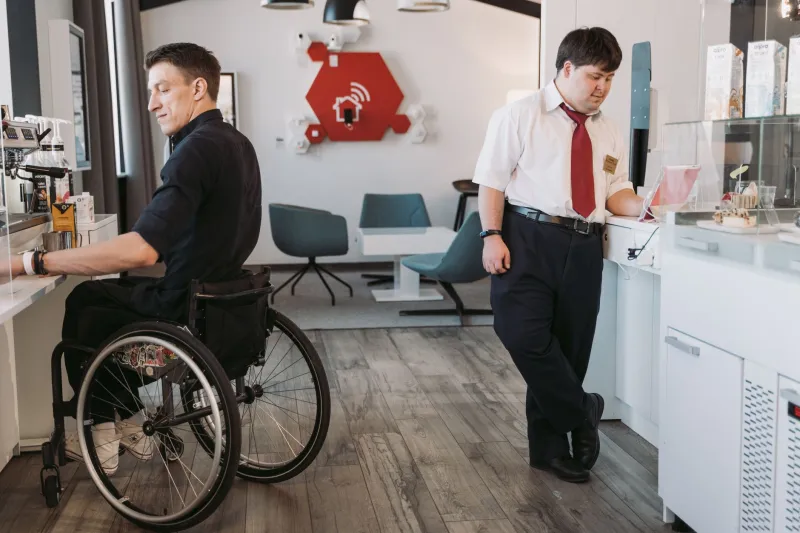
Photo: hybrid office pantry stock levels midweek peak, via drivegreenjourney.com
The old assumptions no longer hold
For years, office refreshment was planned around a simple assumption: if there were desks, there were people, and if there were people, the pantry should be full. Hybrid working has broken that link. In many South West offices, occupancy now follows a pronounced pattern — busy from Tuesday to Thursday, quieter on Monday and Friday, and liable to spike when a client visit, training day or project deadline brings people together.
The result is a pantry that is often wrong in both directions. On quiet days, stock sits unused, goes stale or is thrown away. On peak days, the same pantry is emptied by mid-morning, leaving staff and visitors with a poor impression. Neither outcome is acceptable, and neither is inevitable. The task for facilities and office managers is to replace the old 'keep it full' rule with a more deliberate approach to demand.
The new demand curve
The first step is to accept that demand is not flat. It has a shape. In most hybrid offices, that shape is a midweek peak with softer shoulders. But the details matter. A Bristol professional services firm may see client-driven peaks on Tuesdays and Wednesdays. A Plymouth marine or defence office may have project-based surges that do not follow the same rhythm. A rural venue in Devon or Dorset may host events that create short, intense demand unrelated to everyday occupancy.
The practical implication is that a single weekly order, based on headcount rather than attendance, will almost always be wrong. A better approach is to build a simple demand profile: which days are busiest, which meetings or visits create additional demand, and how much notice the organisation has of those events. That profile does not need to be sophisticated. Badge data, meeting room bookings and a weekly glance at the pantry can provide enough evidence to start.
The cost of getting it wrong
Overstocking is often treated as a minor inefficiency. In reality, it carries several costs. Cash is tied up in stock that may not be used. Storage space is consumed. Products pass their best-before dates and are discarded. Staff learn that the pantry is full of the same unwanted items, which undermines confidence in the service. There is also an environmental cost, particularly where chilled or short-life products are involved.
Understocking is equally damaging, but in a different way. It is visible. A client who arrives to find an empty biscuit tin or no fresh coffee will remember it. Staff who regularly find the pantry bare on their office days may conclude that the organisation does not value their presence. The reputational cost of a poorly stocked pantry can outweigh the savings from ordering too little.
Right-sizing supply
Right-sizing is not about cutting the refreshment budget. It is about matching supply to demand so that the budget delivers more. Several practical measures help.
First, separate the core range from the peak range. The core range — tea, coffee, milk, a plain biscuit and a free-from option — should be stocked reliably every day. The peak range — fresh pastries, fruit, premium coffee, catering platters — can be ordered for known busy days or client visits. This prevents everyday stock from being depleted by occasional events.
Second, use flexible delivery. Many regional wholesalers and local suppliers now offer smaller, more frequent deliveries. A midweek top-up can be more cost-effective than a large weekly order that leaves the pantry overstocked on Friday. For organisations in Bristol, Exeter or Bath, where supplier coverage is strong, this is relatively straightforward. Rural sites may need a different rhythm, but the principle still applies.
Third, set par levels by day rather than by week. A simple par level is the minimum quantity that should be available at the start of a given day. Tuesday may need a higher par level than Friday. Reviewing those levels monthly, against actual usage, keeps them realistic.
Tracking usage without overcomplicating it
You do not need a sophisticated inventory system to track usage. A clipboard, a simple spreadsheet or a note on the delivery sheet can be enough. The key is consistency. Record what is delivered, what is consumed and what is discarded. Note any days when the pantry ran out or when stock was left over. After four to six weeks, patterns will emerge.
Those patterns should inform ordering. If Friday is consistently quiet, reduce the Friday delivery. If Tuesday is consistently busy, increase the Tuesday par level. If a particular product is never touched, remove it from the core range. This is not about removing choice; it is about ensuring that the choice on offer is actually used.
Protecting hospitality standards
Right-sizing must not become an excuse for a diminished welcome. Client visits, interviews, training days and internal events require a higher standard than everyday pantry provision. The practical solution is to keep a separate hospitality reserve — a small stock of premium items held back for planned visits — rather than hoping that the everyday pantry will stretch. This protects the standard without overstocking the main pantry.
It also helps to agree a simple hospitality standard with the team: what is offered for a client meeting, who is responsible for ordering it, and how much notice is needed. That clarity prevents last-minute scrambles and ensures that the welcome is consistent across sites.
Practical takeaways
- Profile demand by day: Use badge data, meeting bookings and pantry observations to identify peaks and troughs.
- Separate core and peak ranges: Keep everyday essentials reliable and order premium items for known busy days.
- Set daily par levels: Review them monthly against actual usage.
- Use flexible deliveries: Smaller, more frequent orders reduce waste and improve freshness.
- Track delivery, consumption and waste: A simple record is enough to reveal patterns.
- Hold a hospitality reserve: Protect the standard for client visits without overstocking the main pantry.
- Review the range regularly: Remove items that are never used and add options that reflect the team.
Conclusion
Hybrid working has made refreshment planning harder, but it has also made it more important. A pantry that is overstocked on quiet days and empty on busy ones is neither efficient nor welcoming. By treating demand as something to be measured rather than assumed, South West managers can right-size supply, reduce waste and keep hospitality standards high. The goal is not a smaller pantry; it is a pantry that is ready when it matters.