A Service Year in the South West: Keeping Refreshment Equipment Reliable Month by Month
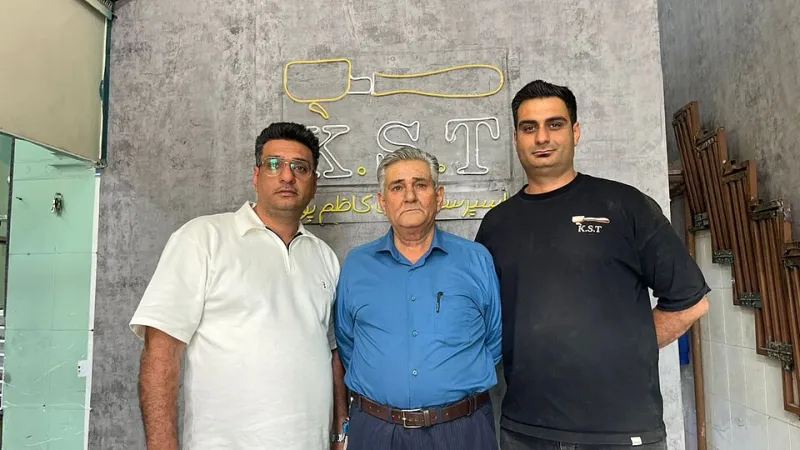
Photo: Espresso Technic Kazempour, CC BY-SA 4.0, via Wikimedia Commons
Refreshment equipment in South West offices and venues is often treated as background infrastructure: reliable until it is not. A coffee machine that scales up in a hard-water area, a boiler that trips during a morning rush or a vending unit that loses temperature in a busy studio can turn a routine day into an improvised one.
The answer is not endless call-outs. It is a dated service rhythm that takes account of local water conditions, supplier service-level agreements and the simple records that show when something was last cleaned, descaled or inspected. For 2026, a twelve-month calendar is a practical management tool rather than an administrative luxury.
Why a calendar beats a call-out
Reactive maintenance feels efficient because it only happens when needed. In practice, it concentrates cost and disruption at the worst moment. Planned maintenance spreads attention across the year and gives office managers and venue operators a chance to book engineer visits outside peak periods.
Water is the main reason the South West needs a localised approach. The chalk and limestone geology around Bath, Bristol and parts of Wiltshire and Dorset produces hard water that encourages limescale in boilers, coffee machines and dispensers. Soft-water areas in Devon and Cornwall are not immune; sediment and filter performance still matter. A maintenance plan that ignores water hardness is likely to be a plan for premature replacement.
The first quarter: audit, descale and document
January is the right month to rebuild the asset register. List every coffee machine, water boiler, hot-water dispenser, vending unit and chilled dispenser, with make, model, serial number, location and supplier. Note which sites are in hard-water areas and when filters were last changed.
February should be the descale month for hard-water sites, before spring budgets and bookings tighten. If descaling is left until a fault appears, the cost usually includes downtime as well as labour. March is the moment to replace water filters and check that filter heads are the correct specification for the site. A filter that is past its change date can make a machine work harder while giving a false sense of protection.
Spring and early summer: filters, temperatures and ventilation
April is a useful point to confirm the filter change schedule for the rest of the year. Record the date, the part number and the name of the person who changed it. If a supplier handles this under an agreement, ask for a written service record rather than a verbal assurance.
May is the month for temperature checks and a general inspection of boilers and dispensers. Thermostats drift, seals harden and ventilation grilles collect dust. None of these issues is dramatic on its own, but together they shorten equipment life. June should include ventilation checks in vending areas and pantry cupboards, especially where units are tucked into small spaces. Warm weather and poor airflow are an unhelpful combination.
High summer: heat, footfall and water quality
July and August bring different pressures. Holiday cover can leave fewer people available to report faults, while visitor numbers may rise at venues and hospitality sites. Confirm that the supplier's response times still apply during the holiday period and that someone on site knows how to isolate a faulty machine.
This is also the time to check water quality and filter performance again, particularly in older buildings where pipework may introduce sediment. Keep a small contingency of cups, cleaning tablets and descaler so that a minor issue does not become a reason to close a refreshment point.
Autumn: calibration, intake and pre-festive checks
September is a sensible month for a post-summer service, particularly for machines that have run continuously through the holiday season. October should include grinder calibration on coffee equipment and a check of any scale or portion control on vending units. These adjustments protect product quality as well as machinery.
November is the pre-festive inspection. Confirm spare parts, cleaning materials and engineer availability before the Christmas diary fills. December should end with a shutdown routine: isolate equipment where appropriate, clean thoroughly, protect against frost in unheated spaces and leave clear instructions for anyone opening the building between Christmas and New Year.
Records that prevent repeat faults
A simple record system is more valuable than a thick manual. For each asset, keep the service history, fault log, filter changes, descale dates, parts replaced and the name of the engineer or supplier contact. Note the water hardness for the site and any recurring error codes.
These records do three things. They show whether a fault is a one-off or a pattern. They make warranty and SLA conversations factual. And they help a new office manager or venue operator understand the equipment without starting from scratch.
Making the service-level agreement work
A service-level agreement is only useful if it matches the site. Response times should be realistic for the location, especially for rural sites in Devon, Cornwall and Somerset where travel can add hours. Confirm what counts as a response, whether parts are included and how out-of-hours cover is handled.
Access matters too. An engineer cannot fix a machine if the building is locked or the pantry is blocked. Agree access windows, parking arrangements and a named contact. Ask for service reports after each visit and keep them with the asset record.
A calmer year of service
The aim for 2026 is not more maintenance for its own sake. It is better-timed maintenance, supported by records and agreements that reflect South West conditions. A machine that is descaled before it complains, a boiler that is checked before the cold snap and a filter that is changed on schedule will always be cheaper to run than one that is repaired in a hurry.
Refresh South West's perspective is straightforward: reliable refreshment comes from routine attention, not from hoping the equipment will hold out until the next busy period.