The Case for a Second Line of Supply in South West Workplace Refreshment
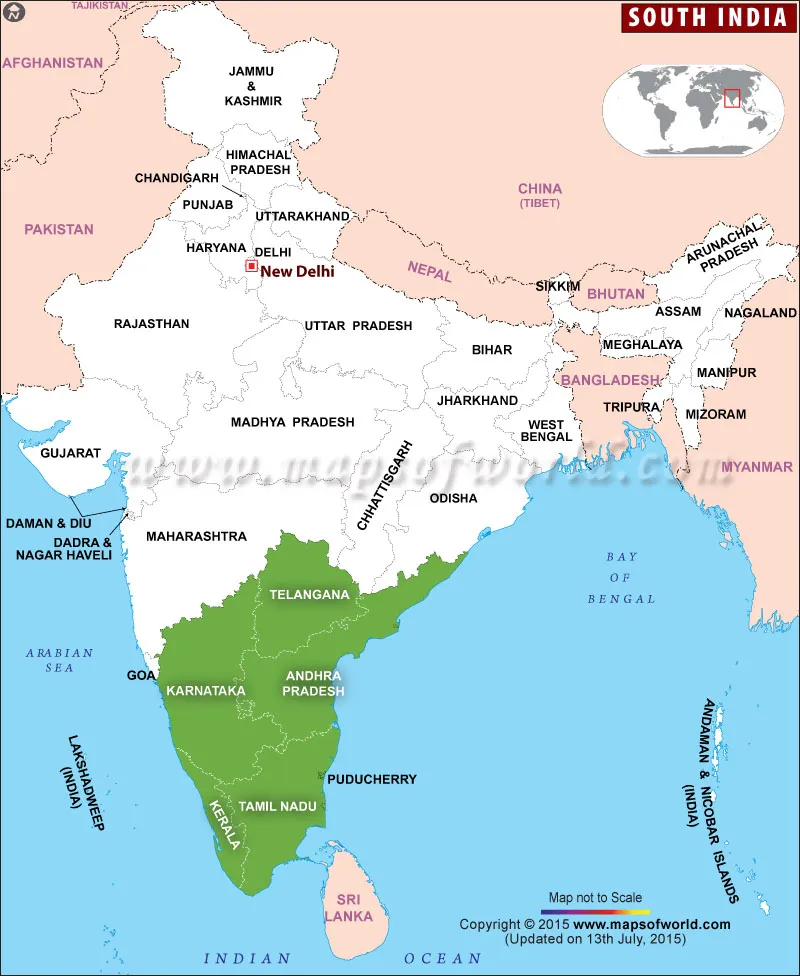
Photo: South West UK rural delivery van workplace refreshment contingency planning, via www.mapsofworld.com
A dependable refreshment service is usually judged by ordinary weeks. It is tested in the exceptional ones. In the South West, exceptional weeks are not rare. A storm can close a route, summer traffic can stretch a delivery window, and a tourism peak can change demand almost overnight. The argument here is straightforward: workplaces and venues that rely on a single refreshment supplier without a contingency plan are carrying a risk they may not have priced.
The single-supplier assumption
Many refreshment briefs are built around one supplier for good reasons. A single contract can simplify invoicing, reduce administrative effort and secure better pricing. For a small office, that logic is hard to challenge. For a larger site or a visitor-facing venue, however, the same logic can create a concentration risk that only becomes visible when something goes wrong.
The problem is not that suppliers are unreliable by nature. It is that even a well-run supplier faces conditions outside its control. A depot may be short of staff, a vehicle may be delayed, or a route may be affected by weather. A single-supplier arrangement has no natural buffer against those events. The site absorbs the impact instead.
Where disruption enters the South West supply chain
The region's geography matters. Delivery routes often depend on a small number of main roads, and alternatives can add significant time. The M5, A30, A38 and A303 carry a great deal of commercial traffic, but they are also vulnerable to incidents, roadworks and seasonal congestion. For sites in Cornwall, parts of Devon, Somerset and Dorset, a delivery that is straightforward in January can become a scheduling problem in August.
Weather is the other obvious factor. High winds, flooding and winter conditions can affect access and timings. A supplier may be able to dispatch an order but not guarantee when it will arrive. That distinction is important for venues with fixed service times, such as conference centres, hotels and visitor attractions.
Tourism adds a demand-side pressure. A venue that serves a steady local trade for much of the year may face a sharp increase in footfall during school holidays and peak visitor periods. If the refreshment plan assumes a flat demand profile, the supplier may be asked to deliver volumes that were never built into the arrangement. The result can be shortages, emergency orders or a reduced offer at the moment when visitors are most numerous.
Resilience is not duplication
A common objection is that a contingency plan means paying twice for everything. That is not the case. Resilience can be tiered. It does not require a second full-service contract or a warehouse full of duplicate stock. It requires a small number of deliberate choices about which items and services matter most, and what the site will do if the primary route fails.
For many South West workplaces, the critical list is short: drinking water, milk, coffee, tea, basic cold drinks and the equipment needed to serve them. A venue may add disposable cups, cleaning supplies and food-safe storage. The point is to identify the few lines where failure would stop service, rather than trying to protect every item equally.
A practical contingency framework for 2026
A workable framework can be built in a few stages.
First, map critical items by site. This should be based on service impact, not spend. A low-cost item can be critical if it stops the coffee service or compromises hygiene.
Second, set buffer stock for those items. The buffer should reflect delivery lead times and the site's ability to store safely. Shelf-stable lines are easier to hold than fresh milk, so the plan may need a mix of ambient stock and a named local top-up option.
Third, identify a secondary source for the most important categories. This does not have to be a full contract. It may be a local wholesaler, a nearby sister site or a supplier who can provide a limited range at short notice. The arrangement should be tested before it is needed.
Fourth, prepare equipment fallback. A spare filter machine or a loan arrangement for a coffee system can keep a service running while a repair is arranged. The fallback should be proportionate to the site's dependency on the equipment.
Fifth, write clear escalation contacts. A general customer service line is not enough in a disruption. The plan should name who contacts whom, at what point, and what information is needed. It should also set out how the site will communicate with staff or visitors if the offer is reduced.
Sixth, define seasonal triggers. A venue might review stock levels before a school holiday, a conference season or a major local event. An office might review them before a period of higher occupancy or a planned move. Triggers make the plan active rather than theoretical.
The commercial case for a plan B
The cost of disruption is often underestimated because it is spread across inconvenience, emergency purchases and staff time. A failed delivery can lead to a manager driving to a supermarket, a reception team apologising to visitors, or a meeting being rearranged. Those costs rarely appear in the same budget line as the refreshment contract, but they are real.
A contingency plan does not eliminate those costs. It reduces the likelihood that a single failure becomes a service failure. In many cases, the cost of a modest buffer and a secondary contact is small compared with the cost of losing a day's service at a busy venue or disappointing a client during a site visit.
Make resilience part of the brief
The strongest time to address contingency is before a contract is renewed. Procurement teams can ask suppliers how they manage disruption, what notice they give, and whether they can support a secondary arrangement. They can also include peak-period expectations in the specification rather than leaving them to informal goodwill.
For 2026, South West organisations should treat resilience as a normal part of refreshment planning. The region's weather, transport patterns and visitor seasonality make it unwise to assume that one route will always work. A second line of supply is not a sign of distrust in the primary supplier. It is a sensible recognition that reliable refreshment depends on more than a good weekly delivery.