What Comes Out of the Tap: Matching Refreshment Equipment to South West Water Conditions
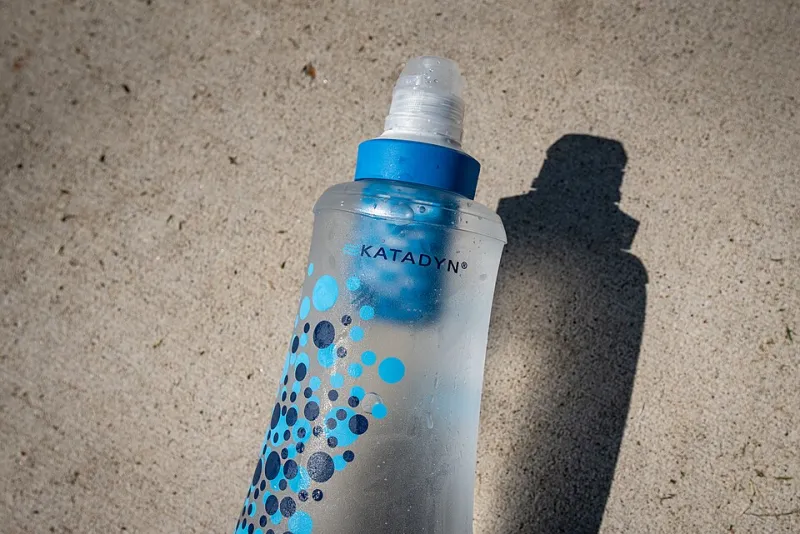
Photo: Tony Webster from Minneapolis, Minnesota, United States, CC BY 2.0, via Wikimedia Commons
Two workplaces can install identical coffee machines, plumb them into the same model of filter and follow the same cleaning schedule, yet experience very different reliability and drink quality. The variable is often the water itself. In the South West, geology, supply zones and treatment arrangements mean that water is not a single regional product.
For offices and venues, water deserves the same attention as the machine specification. It is both an ingredient and a consumable. It affects how coffee tastes, how quickly boilers scale, how often filters need changing and how long equipment lasts.
A region of different geologies
The South West is not one water area. Upland parts of Devon and Cornwall, including Dartmoor and parts of Exmoor, tend to receive softer water derived from granite and moorland catchments. Chalk and limestone areas across parts of Wiltshire, Dorset and Somerset are more likely to produce harder water. Bristol, Bath and surrounding areas can reflect a mix of sources, while coastal and estuarine locations may have different treatment and blending arrangements.
That matters because a site in Truro may receive water with a very different mineral profile from a site in Salisbury. Even within a city, supply zones and building plumbing can alter what reaches the tap. Water companies serving the region, including South West Water, Wessex Water and Bristol Water, publish water quality information, but the point of use is what matters most for a coffee machine or boiler.
What hardness does inside a machine
Hardness is largely a measure of calcium and magnesium in the water. When water is heated, those minerals can precipitate as limescale. The deposits accumulate on heating elements, heat exchangers, probes, valves and flow paths. The immediate effect may be a slower machine or a slightly different taste. Over time, scale reduces heating efficiency, restricts flow, causes sensors to misread and puts pressure on components.
Water boilers and hot-water dispensers are especially exposed because they hold and repeatedly heat water. Coffee machines scale in their boilers, thermoblocks and steam systems. Vending machines may suffer in valves and mixing points. The harder the water and the higher the throughput, the faster the problem tends to develop.
Why water changes what coffee tastes like
Water is not a neutral carrier. Minerals influence extraction, while alkalinity buffers acidity. Water that is very soft can produce a thin or sharply acidic cup and may be more corrosive to metal components. Water that is very hard, especially with high alkalinity, can taste flat or chalky and can dull the brightness of a specialty coffee. High chloride levels are a separate concern: they can affect taste and contribute to corrosion.
There is no single perfect water for every drinks offer, but there is a sensible operating zone. The aim is usually to reduce excessive hardness and chlorine while retaining enough mineral content for balanced extraction. That is why a filter chosen only for taste may not protect the machine, and a filter chosen only for scale may not address chlorine or chloride.
Test before specifying
A filtration specification should start with a water test, not a catalogue. Useful parameters include total hardness, alkalinity, pH, chloride, conductivity and chlorine. For some sites, a simple on-site test kit may be enough for a first view. For larger venues or high-value equipment, a laboratory analysis gives a more reliable basis for specification.
Test at the point of use, ideally after existing filtration, and repeat at more than one outlet if the building has multiple kitchens or serveries. Ask whether the supply is blended or subject to seasonal variation. Keep the results with the machine records so that future filter changes and service intervals can be adjusted as conditions change.
Filtration options and their limits
Carbon block filters are widely used to reduce chlorine, taste and odour. Ion-exchange softeners reduce hardness, while reverse osmosis can remove a broad range of dissolved solids and is sometimes blended back to achieve a target mineral profile. Scale inhibitors may be appropriate in some applications, and sediment prefilters can protect downstream cartridges.
None of these is a universal answer. A soft-water site in Cornwall may not need the same softening capacity as a hard-water site in Wiltshire. A high-chloride supply may require a different approach from a supply that is merely hard. Oversized filtration adds cost and maintenance; undersized filtration fails early and lets problems through. The specification should match the water test, the machine manufacturer's requirements and the site's daily throughput.
Maintenance cycles should follow the water
A generic descaling interval is rarely precise enough. Harder water and heavier use should shorten the interval; softer water and lower throughput may allow more time. Filter changes should be based on capacity, pressure drop and water quality, not only on a calendar. Service records should note scale condition, filter part numbers, water test results and any taste or temperature complaints.
Staff can provide useful early warning. Slow filling, reduced steam, unusual noise, poor coffee flavour or visible scale around outlets should be reported rather than accepted as normal. A brief monthly check of filters, pressure and machine performance can prevent a small water issue becoming an unplanned outage.
A practical sequence for South West sites
- Map the water: identify the supply zone, any blending and the outlets serving refreshment equipment.
- Test at the point of use: record hardness, alkalinity, pH, chloride and chlorine.
- Specify filtration against the test and the machine: avoid generic cartridges where the water profile is unusual.
- Commission properly: flush, set bypass, label filters and record installation details.
- Monitor: check taste, scale, pressure and filter condition at sensible intervals.
- Review in 2026 and beyond: revisit the specification if the site changes supplier, occupancy or equipment.
Water is easy to overlook because it arrives without an invoice. In practice, it shapes both the quality of the drink and the working life of the machine. For South West workplaces, a water-aware refreshment strategy is a practical way to protect equipment, control maintenance costs and serve a better cup.