Where the Queue Stops: A Pre-Festive Flow Review for South West Refreshment Counters
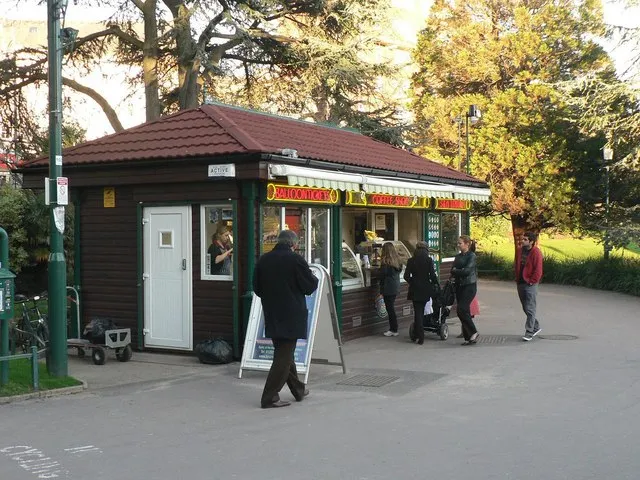
Photo: Chris Downer, CC BY-SA 2.0, via Wikimedia Commons
Festive demand rarely arrives as a single, tidy surge. In many South West workplaces and venues, pressure builds through a series of smaller moments: the first week of seasonal socials, the arrival of visiting teams, the morning after a Christmas market, the lunchtime gathering that overlaps with a booked event. A refreshment counter that feels generous on an ordinary Tuesday can begin to stall when several groups arrive within the same twenty minutes.
The instinct is often to add equipment or find more space. Before that step, it is worth observing where movement actually breaks down. A pinch point is not simply a long queue. It is any place where two flows compete, where a task is interrupted, or where a person must wait for someone else to finish before they can begin. Identifying those points is a practical way to improve throughput without expanding the footprint.
Why festive pressure finds the weak spots
South West organisations often operate mixed estates. A Bristol office may host hybrid teams and visiting clients. An Exeter venue may move between meetings, events and public bookings. A Plymouth site may serve staff across shift patterns. In December 2026, those routines are likely to be joined by seasonal lunches, charity collections, supplier visits and end-of-year gatherings.
The counter is rarely used for one purpose at a time. Someone is filling a water bottle while another waits for a coffee. A tray is being assembled beside the milk fridge. A caterer is restocking cups during the busiest half hour. None of these activities is unusual, but together they can create a short, repeated blockage that feels much larger to the person waiting.
A flow review should therefore look beyond the coffee machine. It should consider the whole refreshment point as a small service operation: arrival, selection, preparation, payment or collection, condiment use, waste disposal and departure.
Observe the counter as users experience it
Begin with a simple walk-through at a quiet time. Then repeat it at a peak time. Note the route a first-time visitor would take. Is the starting point obvious? Are cups and lids placed before or after the point where a person pauses? Does the fridge door open into the queue? Are bins positioned where they interrupt movement? Is there a clear exit once a drink has been collected?
For venues, the review should include turnaround periods between bookings. A layout that works for a morning meeting may fail when a lunch event requires trays, jugs and plated refreshments to be moved through the same narrow route. Staff movement is part of the flow too. If replenishment trolleys must pass through the guest queue, the pinch point is predictable.
Observation is more reliable than memory. A brief count of arrivals in fifteen-minute intervals can reveal where demand clusters. It can also show whether the queue is caused by volume, by a slow task, or by people waiting in the wrong place because signage is unclear.
The four common sources of friction
Layout is the first. A counter may have enough overall space but distribute it poorly. Condiments placed at the entrance force people to stop before they have collected a cup. A bin beside the milk fridge creates a two-way conflict. A narrow aisle between the counter and a seating area can turn a short wait into a bottleneck.
Equipment placement is the second. High-demand machines placed too close together encourage clustering. A water boiler positioned beside the main preparation area may be convenient for one task but obstructive for another. Under-counter fridges can be useful, but only if staff can open them without stepping into the guest route.
Signage is the third. Clear, modest signage can separate a queue for made-to-order drinks from a quick collection point for pre-ordered items. It can indicate where to wait and where to leave. Without it, people tend to gather near the first machine they see, even if their order is elsewhere.
Replenishment timing is the fourth. Deliveries and restocking are necessary, but they should not coincide with predictable peaks. A trolley parked in the counter area during the busiest period can undo the benefit of a well-planned layout. Simple scheduling can often solve what appears to be a space problem.
A short audit checklist
A practical review can be completed without specialist equipment. Use a floor plan or a rough sketch, a notebook and a consistent time slot.
- Mark the entry, queue line, preparation area, collection point, condiment station, waste point and exit.
- Count arrivals in fifteen-minute intervals across one typical morning and one peak period.
- Note where people pause, step back, cross paths or ask staff where to go.
- Check whether cups, lids, stirrers and napkins are available at the point they are needed.
- Confirm that fridge doors, cupboard doors and bins do not open into the main route.
- Review whether signage makes the queue start and collection point clear.
- Observe one replenishment cycle and record how long it blocks access.
- Ask whether an accessible route remains clear at all times.
- For venues, test the layout during a changeover, not only during service.
- Record any temporary seasonal furniture or displays that narrow the route.
Improvements that do not require more space
Many useful changes are about sequence rather than size. Reorder stations to match the natural task: collect cup, select drink, prepare, add condiments, then leave. Move condiments away from the entry point so they do not interrupt the queue. Create a small collection zone for pre-ordered drinks if the counter supports it. Use floor markings or a simple sign to define where the queue should form.
Where possible, separate staff replenishment routes from guest routes. Schedule restocking outside peak windows. Keep spare cups and lids in more than one accessible position if storage allows, so that a single empty stack does not stop the line. For venues, design a five-minute reset routine between bookings so that trays, cups and waste are cleared before the next group arrives.
These measures should be trialled rather than assumed. A change that improves flow for a coffee queue may create a new obstruction for water bottles or catered trays. Observe again after the adjustment and keep a brief record of what changed.
Rechecking through December
A pre-festive audit is not a one-off exercise. Demand patterns can shift as offices empty, events accumulate and opening hours change. A second short observation in mid-December can confirm whether the changes are holding. Staff briefings should include the revised layout and replenishment timings, particularly for temporary team members and venue staff covering seasonal bookings.
The aim is not to redesign every counter before the festive period. It is to remove the small, repeated obstructions that make a busy counter feel chaotic. For South West workplaces and venues, a careful flow review can protect service quality during the seasonal peak while keeping the refreshment area familiar, calm and reliable.