Before the Memo Lands: Communicating Refreshment Changes in South West Workplaces

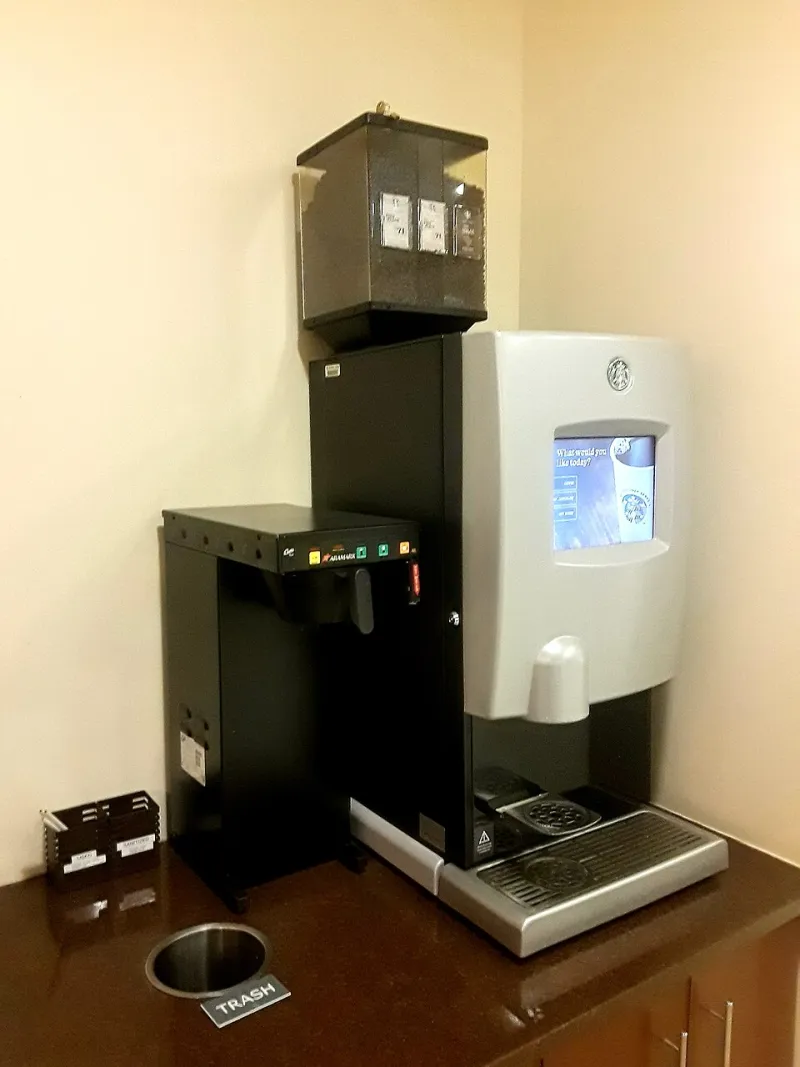
Photo: Unknown authorUnknown author, CC BY 3.0, via Wikimedia Commons
Refreshment changes are operational decisions, but they are experienced socially. A supplier switch, a revised charge, a new machine or a temporary closure can become a source of frustration if staff discover it at the counter rather than through a clear announcement. In South West workplaces, where teams may be spread across several sites or working hybrid patterns, the risk of a message arriving late is greater. Good communication does not remove every objection, but it reduces the chance that people feel overlooked.
Decide what staff actually need to know
Start by separating the information staff need from the detail that belongs in the project file. Most people need to know what is changing, when it will happen, what they need to do differently and who to contact if something is unclear. They do not necessarily need the full procurement history or the technical specification of the replacement equipment. A short, plain-English summary is more useful than a long note that buries the practical points.
For a new machine, explain where it will be, when it will be available and whether any payment or access method is changing. For a revised charge, state the amount, the date it takes effect and the alternatives available. For a supplier switch, say what stays the same as well as what changes. For a temporary closure, give the dates, the reason in brief and the temporary provision.
Timing: three waves of notice
Major changes benefit from three communications. The first should arrive early enough for people to ask questions and adjust. For a supplier switch or a charge change, two to four weeks is often appropriate. For a new machine, a week to ten days may be enough unless access or training is affected. The second is a reminder closer to the date, and the third is a day-of notice at the point of use.
Smaller changes can follow a lighter version of the same pattern. The key is consistency. If the intranet notice says one date and the poster says another, confidence drops. Nominate one person to approve the wording and the dates before anything is published. In multi-site organisations, check whether each site has a different arrangement before sending a single all-staff message.
Signage at the point of use
People often read the notice at the counter rather than the email in their inbox. Signage should be placed where the change will be experienced, not only where it is administratively convenient. A simple poster or card can state what is happening, the date, what to do in the meantime and who to contact. Keep it legible, dated and removed once it is out of date.
For temporary closures, sign the closed area clearly and sign the alternative provision just as clearly. If a machine is being replaced, a short note on the old unit can prevent repeated attempts to use it. Where accessibility is a consideration, use large print and place notices at a readable height. Digital channels can supplement signage, but they should not replace a clear physical notice at the point of use.
Explaining the reason without sounding defensive
Staff are more likely to accept a change when the reason is factual and proportionate. Compare the difference between an announcement that says the change is for convenience and one that explains the operational position. A neutral explanation might state that the existing machine has reached the end of its service life and that replacement parts are no longer available. A charge change might be explained by reference to the updated cost of supply. A supplier switch might be framed around response times or reliability.
Avoid over-explaining or apologising for a decision that has already been made. A short reason, followed by practical information, is usually better than a long justification. If there are genuine disadvantages, acknowledge them briefly and say what is being done to manage them. Defensive language tends to invite an argument about the decision rather than a conversation about the transition.
Feedback that is easy to give and easy to act on
A named contact is more useful than a generic inbox. Give a person or a small team, an expected response time and a simple way to raise a concern. A short form or a QR code can work, but a clearly displayed email address is often enough. If the change affects a shared building, make sure the contact route is agreed with the landlord or managing agent.
Set a review point. For a new machine or a revised charge, check after two to four weeks whether usage has changed, whether questions have persisted and whether any practical problems need fixing. Feedback should lead somewhere. If several people report that the new machine is difficult to use, arrange a short demonstration or update the signage. If the temporary provision is running out by mid-morning, adjust the order.
A short checklist before launch
Before any refreshment change goes live, confirm the what, when, where and who. Check that the announcement and the signage agree. Confirm that the contact route is staffed. Make sure the temporary arrangement is in place before the old service stops. Remove outdated notices promptly. Keep a record of what was communicated and when, so that later questions can be answered consistently. A well-communicated change will not please everyone, but it will be understood, and that is usually the difference between a minor adjustment and a lingering complaint.